When most people think of Brazil, they think of Rio de Janeiro — the iconic beaches, the carnival energy, the Christ the Redeemer silhouette against the sky. But seasoned travelers know that the true soul of Brazil lives further north, in the state of Bahia.
Bahia is the pulsating epicenter of Afro-Brazilian culture. The birthplace of samba and capoeira. A place where West African spiritual traditions, Portuguese colonial architecture, and the raw beauty of the Brazilian northeast collide into something entirely its own. If Rio is Brazil's face, Bahia is its heartbeat.
Quick Facts
| Airport Code | SSA — Deputado Luís Eduardo Magalhães International Airport, Salvador |
| Currency | Brazilian Real (BRL) |
| Language | Portuguese; limited English outside tourist areas |
| Best Time to Visit | September–March (dry season along the coast) |
| Known For | Afro-Brazilian culture, historic Salvador, pristine islands, Candomblé traditions, Atlantic rainforest trekking |
Why Bahia Belongs on Your Travel List
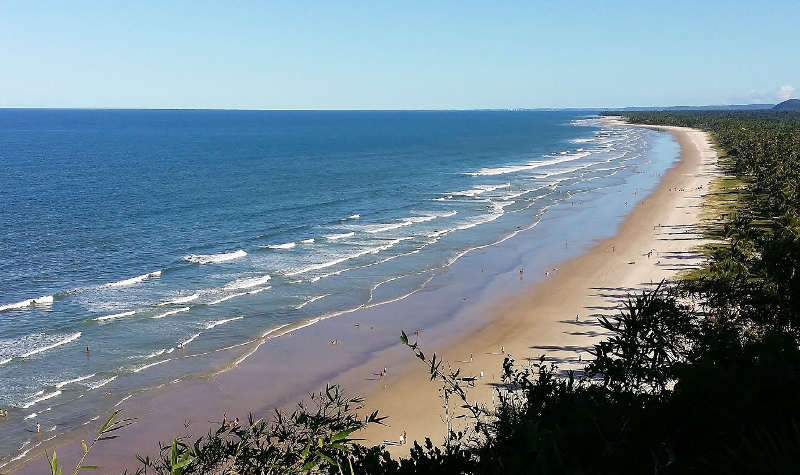
With over 900km of Atlantic coastline, UNESCO World Heritage listed sites, paradisiacal islands, and a cultural depth that rewards every curious traveler, Bahia is one of South America's most underrated destinations. It offers everything Rio promises — beaches, music, food, warmth — with a fraction of the crowds and a cultural richness that goes far deeper.
Top Things to Do in Bahia
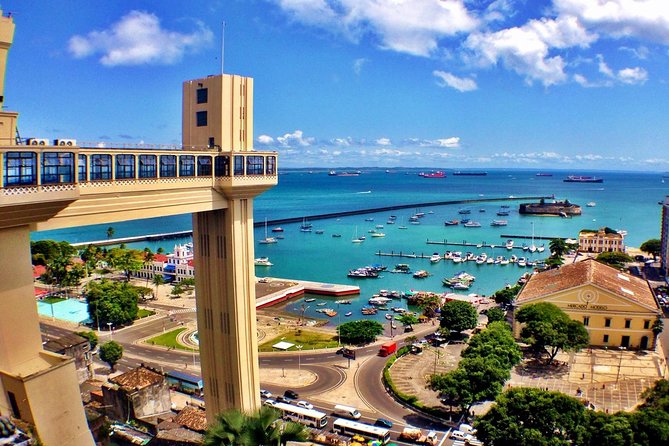
Explore Salvador and the Historic Pelourinho Salvador, Bahia's explosive capital, is Brazil's first colonial city — and one of the most visually stunning. The Pelourinho, a UNESCO World Heritage Site, is a labyrinth of cobblestone avenues winding between pastel-colored buildings with ornate wrought-iron balconies. Every corner tells the story of Brazil's complex colonial history, its African roots, and the culture that emerged from both. The neighborhood comes alive at night with live music spilling out of every doorway.
Sail the Islands of Baía de Todos os Santos All Saints' Bay — one of the largest bays in the world — cradles Salvador and is home to more than 50 small islands, each one a beach getaway waiting to happen. From the Terminal Marítimo de São Joaquim, ferries and boats depart for the two most celebrated islands: Frades and Itaparica. Pull up a chair near one of the caipirinha huts on Frades, order fresh seafood, and let the afternoon disappear. The water here is cool, calm, and clear — entirely different from the open Atlantic surf.
Discover Candomblé in Cachoeira About 70 miles inland from the coast lies Cachoeira — a beautifully preserved colonial village surrounded by tobacco and sugarcane plantations, and one of the most spiritually significant places in Brazil. This is where Candomblé, the Afro-Brazilian religion born from the Yoruba traditions of West Africa, took deepest root. Enslaved Africans paired their orishas — gods and goddesses — with Catholic saints to preserve their spiritual practices under colonial rule. Visiting Cachoeira is a profound and moving experience that puts Bahia's African heritage into full context.
Trek the Chapada Diamantina For nature lovers, the Chapada Diamantina national park is one of Brazil's great outdoor treasures. A highland plateau of dramatic table-top mountains, hidden waterfalls, and cave systems, it rewards those who venture inland. Standout experiences include hiking to Morro do Pai Inácio for panoramic views, swimming beneath the Cachoeira do Sossego and Cachoeira da Fumaça waterfalls, exploring the Gruta da Fumaça cave, and trekking the legendary Vale do Pati — considered one of the best multi-day hikes in South America. Budget 3–5 days minimum to scratch the surface.
Feel the Music Bahia is the birthplace of samba and capoeira — and both are very much alive. Capoeira circles, where practitioners blend martial arts and dance to the rhythm of the berimbau, happen organically on the streets of Salvador. The Pelourinho on a Tuesday night, when the legendary Olodum drumming group performs, is an experience that stays with you long after you've left.
Where to Stay
Salvador's Pelourinho neighborhood puts you at the center of the cultural action — boutique pousadas in restored colonial buildings are the most atmospheric option. For beach access, the Barra and Ondina neighborhoods offer proximity to the Atlantic coast. For a more secluded experience, the island of Itaparica across the bay offers a quieter, resort-style alternative.
What to Pack
Bahia calls for color. The warmth of the sun, the vibrancy of the culture, the energy of the streets — this is not a destination for understated neutrals.
Pack the Sandra Monokini in Bahia — our richest, most sun-saturated colorway, designed to reflect the warmth, vitality, and beauty of this extraordinary state. Whether you're lounging on the islands of All Saints' Bay or taking in the Atlantic from a Salvador beach, the Bahia colorway was made for exactly this coastline.
Getting There
Fly into Salvador Deputado Luís Eduardo Magalhães International Airport (SSA), served by major Brazilian carriers and international connections through São Paulo (GRU) and Rio de Janeiro (GIG). Most US travelers connect through São Paulo or Miami.
Bahia will not disappoint. It will challenge you, move you, feed you extraordinarily well, and send you home with a deeper understanding of what Brazil truly is. Book the ticket.